Efficient dental suction systems are vital to every modern practice. They help maintain a clean, safe working environment by removing fluids, debris and aerosols generated during procedures. Beyond hygiene, a reliable suction system directly affects patient comfort and clinical efficiency.
Whether you’re setting up a new surgery or upgrading existing equipment, understanding how different suction systems work will help you choose the best dental suction unit for your practice.

What Is a Dental Suction System?
A dental suction system, also known as a dental vacuum system, is designed to remove saliva, blood and debris from the patient’s mouth during treatment. It keeps the working area clear, supports visibility for the clinician, and ensures infection control standards are maintained.
There are two main types of systems used in dental surgeries:
- Wet (hydraulic) suction systems – Uses water to create vacuum pressure.
- Dry suction systems – Uses air to generate suction without water, reducing running costs and environmental impact.
Types of Dental Suction Systems
Selecting the right dental suction system begins with understanding how the two main types — wet and dry — operate. Both are designed to achieve the same outcome: efficient removal of fluids, debris and aerosols to maintain a clean working area. However, they differ significantly in how they generate suction, their maintenance needs and their long-term running costs.
1. Wet Suction Systems
Wet dental suction systems are the more traditional setup, using a combination of water and air to create vacuum pressure. As the system operates, water continuously flows through the unit, helping to carry debris away from the patient area and into the waste drain. These systems are well-established in many dental practices and remain a popular choice for multi-surgery environments, where several dental chairs are in use simultaneously.
Advantages:
- Powerful and constant suction: Delivers steady performance even when multiple operators are using the system at once, ensuring reliable fluid removal during longer or more complex procedures.
- Proven reliability: Decades of use in UK practices demonstrate consistent results, especially in surgeries handling high patient volumes.
- High flow rate: Capable of maintaining suction for demanding treatments such as oral surgery or implantology.
Considerations:
- Higher water consumption and maintenance: Wet systems require a constant water supply and regular flushing to prevent mineral build-up and microbial growth.
- Drainage requirements: They need suitable waste management and plumbing infrastructure, which may increase installation complexity and costs.
- Environmental impact: The continuous water flow makes these systems less eco-friendly than modern dry alternatives.
Wet systems are often the best choice for larger dental clinics that prioritise robust performance and multi-chair functionality.
2. Dry Suction Systems
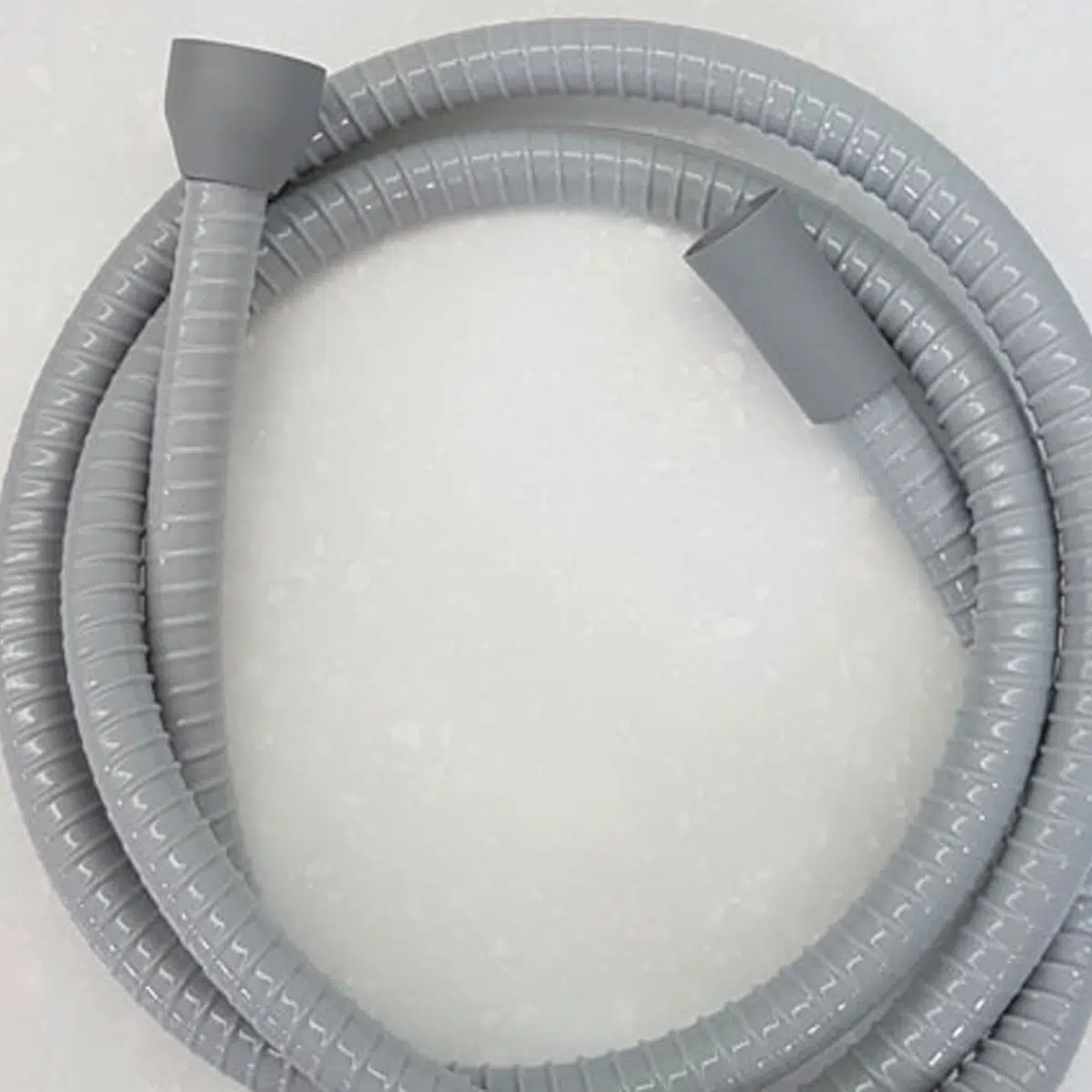
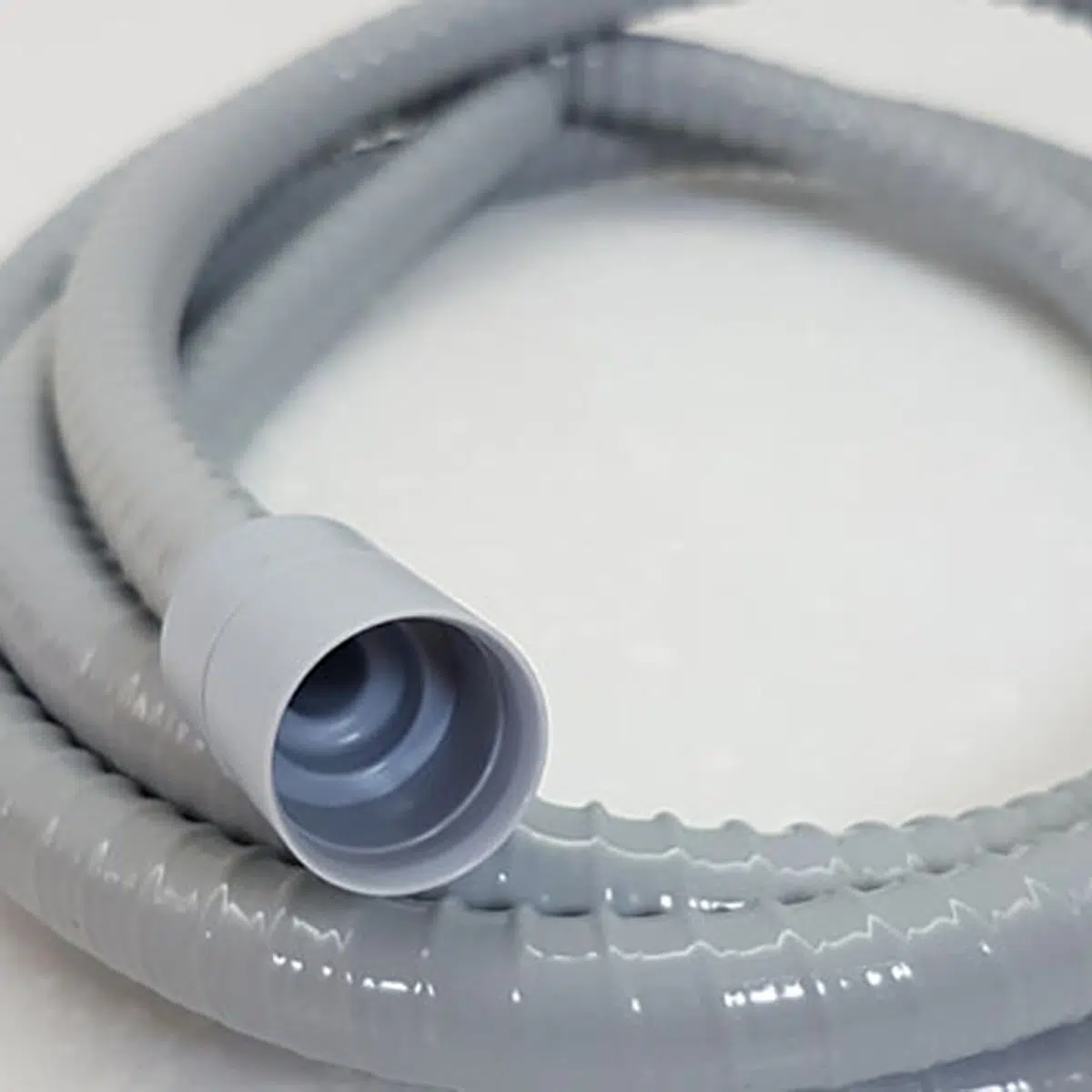
Dry dental suction systems, also referred to as dental vacuum systems, are increasingly preferred in modern, sustainability-focused practices. These units generate suction using turbine motors rather than relying on water, making them both efficient and environmentally friendly. The vacuum is produced in a separation tank, which removes fluids before air enters the turbine, keeping the system clean and reliable.
Advantages:
- Lower operating costs: No need for continuous water supply means reduced utility bills and minimal waste.
- Simplified maintenance: Fewer moving parts and no water circulation reduce the likelihood of scale or biofilm accumulation.
- Environmentally friendly: Perfect for practices seeking to align with green initiatives and sustainability goals.
- Scalable and space-saving: Compact modular systems can be tailored to practices of all sizes, from single-surgery setups to multi-chair clinics.
Considerations:
- Slightly noisier operation: Some dry systems can produce more audible turbine noise, though modern soundproof enclosures have significantly reduced this issue.
- Higher upfront cost: The initial investment may be greater than wet systems, but long-term energy savings typically offset this over time.
- Power dependency: These systems rely entirely on electrical output, so consistent power supply is essential.
Dry suction systems are ideal for forward-thinking practices looking to reduce water usage, lower maintenance demands, and embrace eco-conscious operation.
Choosing the Right Dental Suction System
With both wet and dry dental suction systems offering clear advantages, your decision ultimately depends on your practice’s priorities, workflow and physical setup.
Key Factors to Consider
Number of surgeries:
Multi-chair practices often require a centralised suction system that can maintain consistent pressure across all operatories. For smaller practices, a single-surgery unit may be more efficient and cost-effective.
Frequency of use:
High-throughput clinics benefit from the robustness of wet systems, while practices with moderate patient flow can gain from the lower running costs of dry options.
Environmental priorities:
If sustainability and reduced water consumption are important, dry suction is the clear winner. Modern models can save thousands of litres of water annually.
Maintenance and service access:
Consider how easy it is to access filters, traps and waste containers. Systems supported by responsive service teams, such as Anglian Dental’s engineers, offer peace of mind with minimal downtime.
Noise levels and location:
If your plant room is close to treatment areas, look for low-decibel systems or models that can be installed remotely to maintain a calm clinical atmosphere.
Future scalability:
Anticipate your growth. A modular system can be expanded easily as your number of surgeries increases.
A professional site assessment by your equipment provider, such as Anglian Dental’s specialist design and engineering team, will ensure your chosen system complies with HTM 2022 regulations, meets your workflow requirements and integrates neatly within your surgery layout.
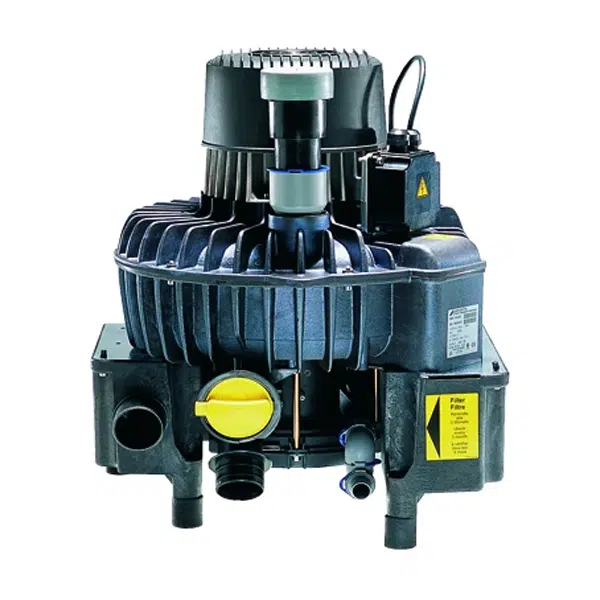
Best Dental Suction Units for Modern Practices
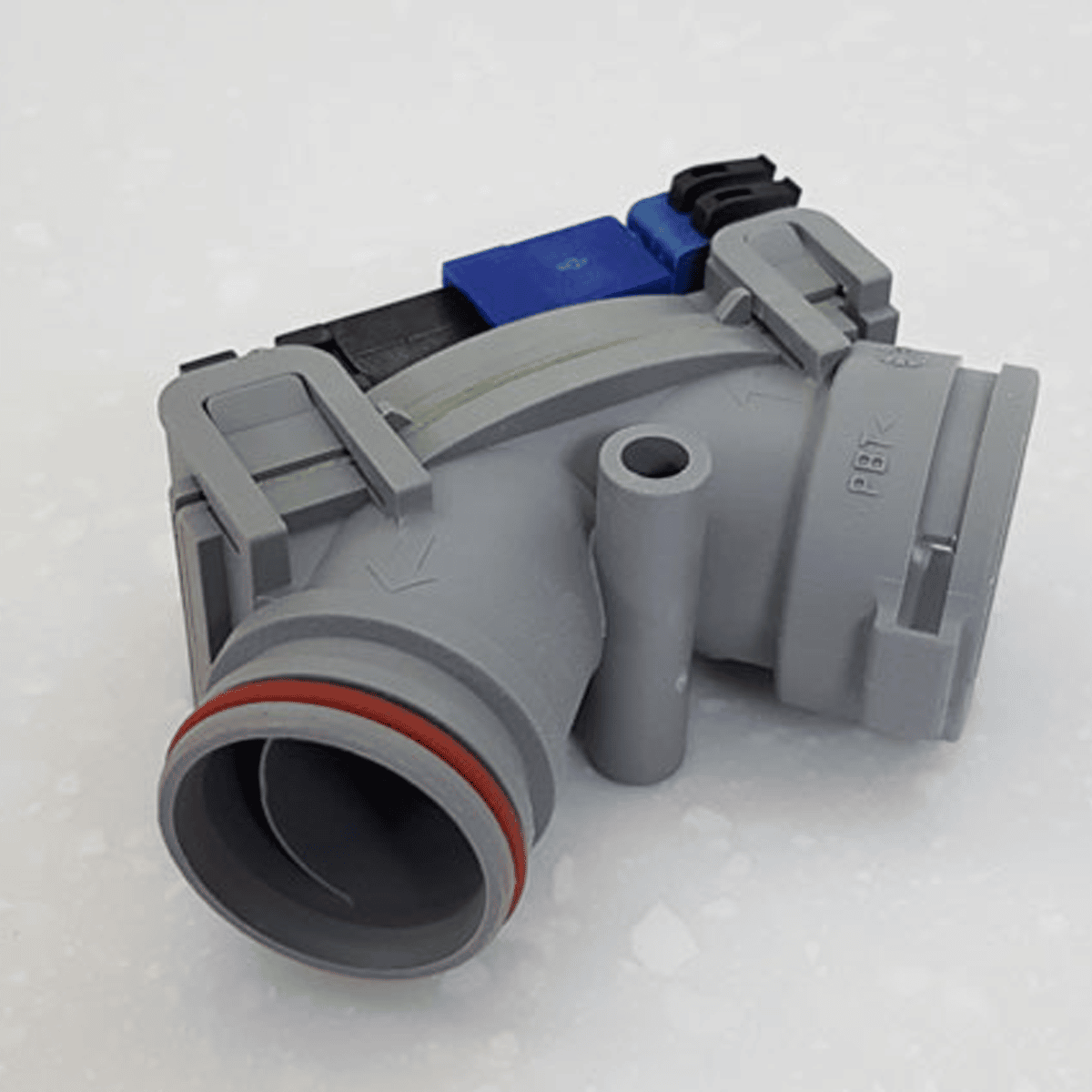
Today’s best dental suction units are designed with innovation, efficiency and hygiene at their core. Whether you choose wet or dry technology, modern systems combine compact engineering with intelligent control features that adapt to real-time demand.
Some advanced models use variable speed control or smart sensors that automatically adjust suction strength based on use, helping reduce energy consumption and wear. Others include built-in air-water separators, anti-foam protection and integrated disinfection systems for added safety and convenience.
Key Factors to Compare
When choosing the right suction unit for your surgery, assess:
- Vacuum performance (mbar / l/min): Determines suction power and how well it supports multiple dental chairs.
- Noise level (dB): Important for patient comfort and maintaining a relaxed clinical environment.
- Energy efficiency rating: Higher efficiency means lower operating costs and reduced environmental footprint.
- Number of surgery connections supported: Ensures scalability for expanding practices.
- Ease of maintenance: Look for units with tool-free access to filters and simple cleaning routines.
- Service and warranty coverage: Choose a provider that offers genuine parts and rapid-response servicing.
By partnering with a trusted supplier such as Anglian Dental, you can be confident that your suction equipment is installed correctly, maintained to the highest standards, and fully compliant with UK HTM 2022 guidelines. Their team supports every stage — from system selection and installation to ongoing care ensuring optimal performance and longevity for your investment.
Maintenance and Servicing Tips
Even the most advanced dental vacuum systems require routine maintenance to ensure long-term reliability. Regular servicing can prevent blockages, reduce downtime and extend the life of your equipment.
Best practices include:
- Flushing suction lines daily with approved cleaning solutions.
- Inspecting filters and traps weekly.
- Scheduling annual maintenance with a certified technician.
- Replacing worn hoses or seals promptly.
Anglian Dental’s maintenance team provides nationwide support and genuine parts for all major suction systems, ensuring your surgery remains compliant and operational.
Key Takeaways
- Dental suction systems are essential for hygiene, safety and clinical efficiency.
- Choose between wet and dry systems based on surgery size, water usage and maintenance needs.
- The best dental suction unit offers consistent performance, energy efficiency and low noise levels.
- Regular servicing of your dental vacuum system extends lifespan and minimises downtime.
FAQs
- What’s the difference between a wet and dry dental suction system?
Wet systems use water to create suction, while dry systems use air. Dry systems are more eco-friendly and cost-efficient, but wet systems often handle multiple chairs more effectively. - How often should dental suction systems be serviced?
At least once a year, but high-volume practices may benefit from six-monthly inspections to maintain peak performance. - Are dry suction systems louder than wet systems?
Some are slightly noisier, but many modern models include acoustic housings or can be installed remotely to minimise sound. - Can I upgrade my existing suction system?
Yes — a site survey can determine whether your existing pipework and power supply are compatible with new suction technology. - Do suction systems affect cross-infection control?
Absolutely. Effective suction removes aerosols and fluids that could carry pathogens, making it crucial for infection prevention.
Need Help Selecting the Right System?
Choosing the correct suction setup is a long-term investment in your practice’s safety and efficiency.
Speak to Anglian Dental’s expert team to discuss installation, upgrades or servicing of dental suction systems across the UK.
👉 Get in touch with Anglian Dental to arrange a consultation or request a quotation.