

Dental chairs are central to every dental practice, directly affecting patient comfort, clinical efficiency and daily workflow. However, like all clinical equipment, they eventually show signs of wear. The key question for many practices is whether to invest in dental chair replacement or continue with repairs and maintenance.
Making the right decision isn’t just about cost, it also involves compliance, downtime and long-term performance. In this guide, we’ll help you understand when to repair a dental chair, when to replace it and how to make the most commercially sound decision for your practice.
Repair vs Replacement: Understanding the Difference
Before deciding, it’s important to clearly distinguish the two options. Understanding what replacing dental chair units entails versus what repairing means is essential for managing both performance and budget effectively.
- Repairing dental chairs involves fixing specific faults — these will often be hydraulics, motors, upholstery or electrical components.
- Replacing dental chairs means installing a fully new unit with updated technology, compliance and efficiency features.
In many cases, ongoing dental chair maintenance can extend the life of your equipment. However, repeated failures often signal that repair is no longer cost effective.
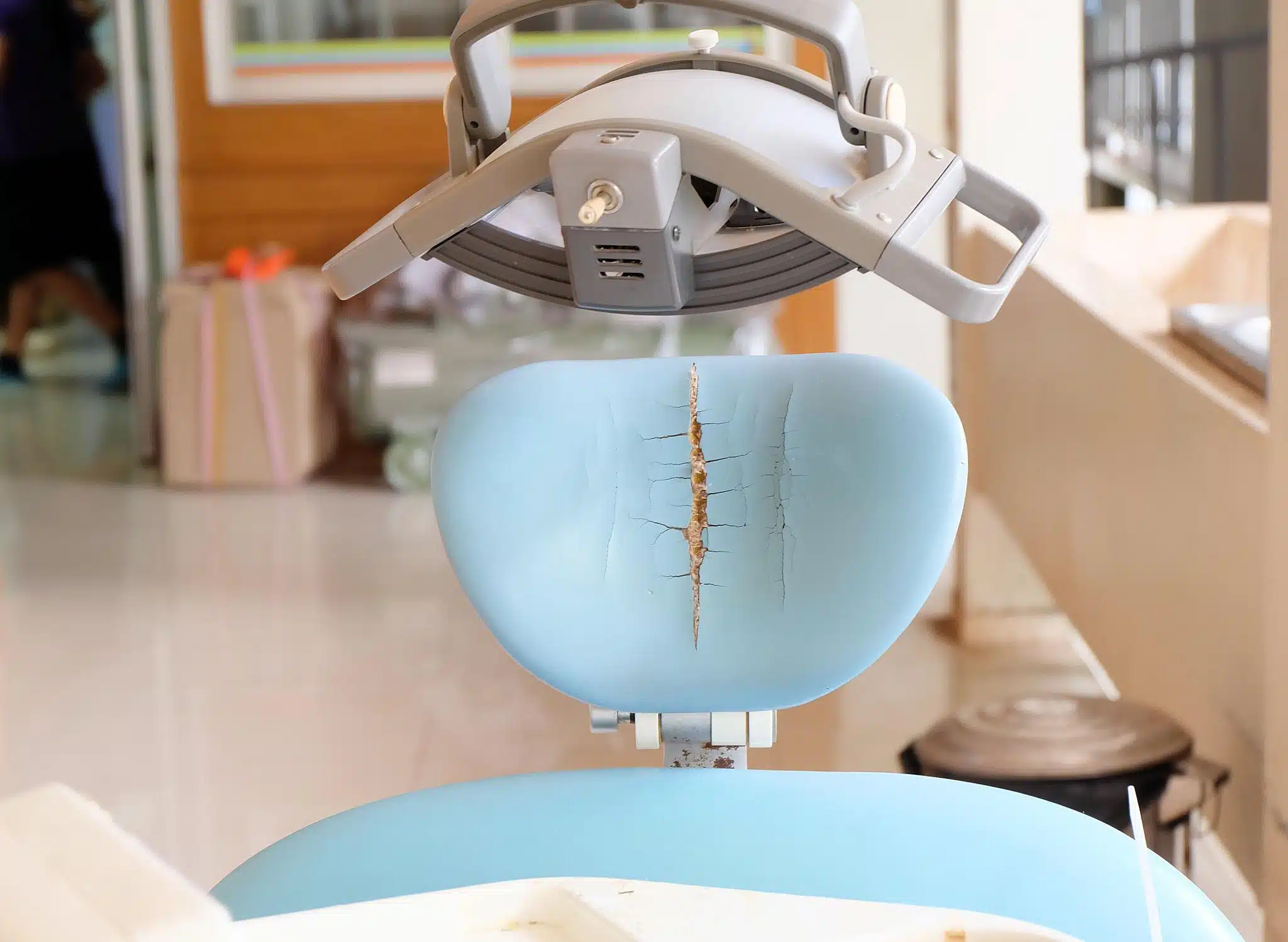
When You Should Repair a Dental Chair
Not every issue requires full replacement. In fact, many practices can continue using their equipment effectively with targeted repairs.
1. Minor or Isolated Faults
If your chair has issues such as:
- Slow movement
- Minor hydraulic leaks
- Button or control malfunctions
Then deciding to repair the chair is usually the most practical option.
2. Recently Installed Equipment
If your chair is relatively new, repairing it is often more economical than considering replacement.
3. Low Repair Costs
When repair costs are minimal compared to replacement, continuing maintenance makes financial sense, especially when supported by routine dental chair maintenance schedules.
4. No Compliance Risks
If your chair still meets UK regulatory and safety standards, repairs are a safe short-term solution.
Signs You Should Consider Dental Chair Replacement
There comes a point where repairs no longer provide value. Recognising when to invest in dental chair replacement is crucial for long-term efficiency.
1. Frequent Breakdowns
If you are constantly calling engineers, repair costs and downtime quickly outweigh benefits.
2. Outdated Technology
Older chairs may lack:
- Modern ergonomic positioning
- Digital integration
- Energy-efficient systems
Upgrading improves both workflow and patient experience.
3. Rising Maintenance Costs
When ongoing dental chair maintenance becomes frequent and expensive, replacement becomes more cost-effective.
4. Compliance Concerns
If your chair no longer meets current UK standards, replacement may be necessary to ensure patient and staff safety.
5. Reduced Patient Experience
Worn upholstery, inconsistent movement or noise issues can negatively affect patient perception of your clinic.
One of the clearest indicators of when to replace dental chair equipment is frequent breakdowns or rising maintenance costs.
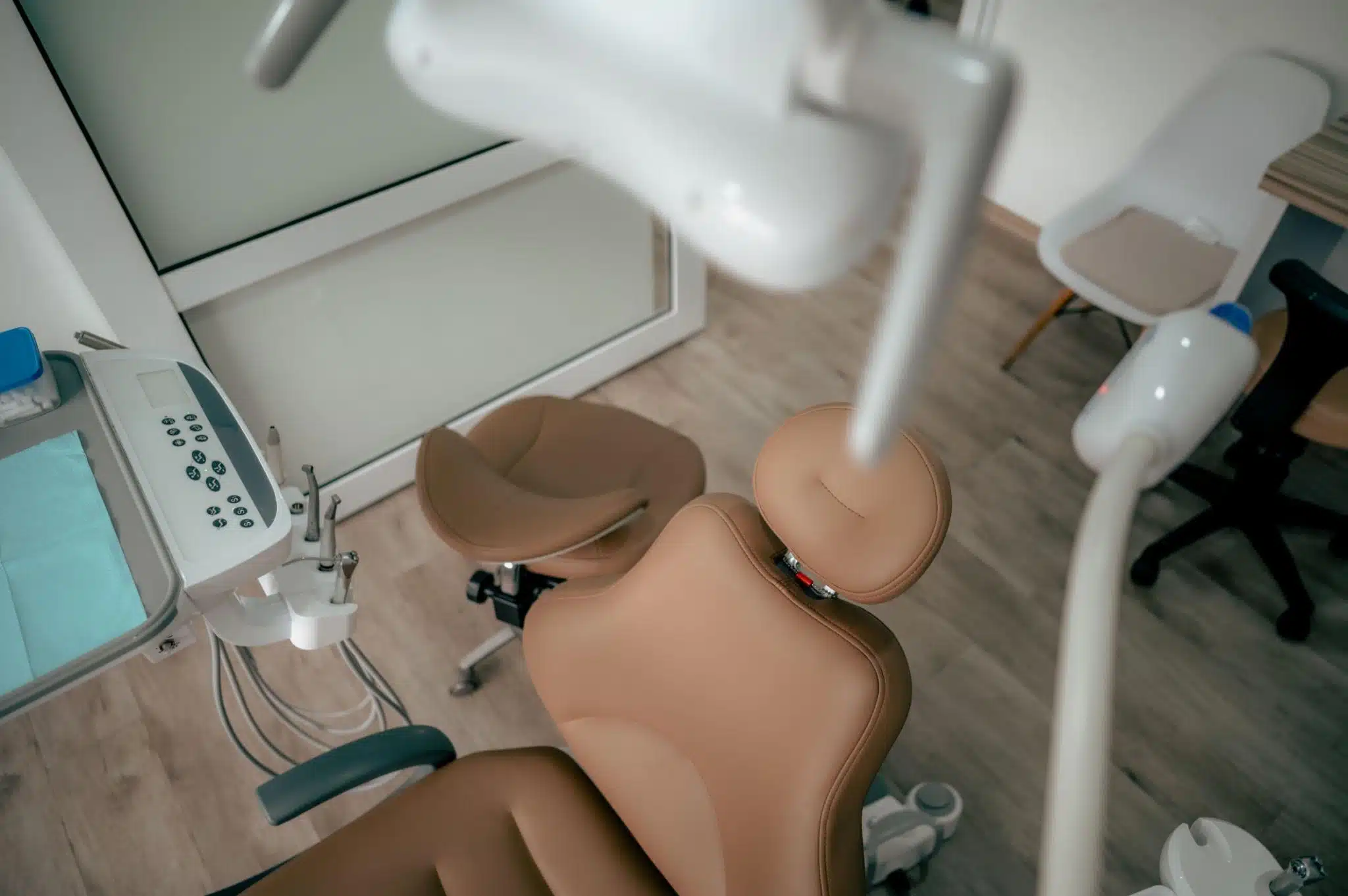
Cost Comparison: Repair vs Replacement
Cost plays a key role in deciding between repair and replacement, but long-term value, downtime and maintenance costs matter more than upfront expense. If repair costs exceed 50% of a new chair or the unit is over 15 years old with frequent issues, replacement is usually the smarter option. One of the key factors in deciding when to replace dental chair equipment is long-term cost efficiency.
| Factor | Dental Chair Repair | Dental Chair Replacement |
| Upfront Cost | Lower immediate expense (£200–£1,500+ depending on issue) | Higher initial investment |
| Long-Term Cost | Can increase due to repeated breakdowns | Lower long-term maintenance costs |
| Typical Issues Covered | Upholstery, motors, electronic faults | Full system upgrade with modern components |
| Equipment Lifespan | Short-term extension of existing chair | 15+ years with improved reliability |
| Downtime Impact | Frequent repairs may disrupt appointments | Minimal downtime after installation |
| Efficiency & Technology | Limited by older system design | Improved ergonomics, digital integration |
| Overall Value | Suitable for minor or occasional issues | Better ROI for ageing or failing equipment |
Compliance and Regulatory Considerations
Compliance plays a vital role when choosing between repair and dental chair replacement, as dental equipment must consistently meet UK safety and performance standards. Even if a chair appears functional, it still needs to comply with regulations around electrical safety, infection control and clinical ergonomics to ensure safe daily operation.
If your chair is frequently failing inspections, requires repeated upgrades or struggles to meet current standards, replacing your dental chair is often the more reliable and compliant solution. Continuing with constant fixes can increase risk and lead to operational disruption.
Working with specialists like Anglian Dental helps ensure your equipment remains fully compliant while maintaining long-term performance, safety and efficiency.
How to Make the Right Decision
Deciding between repairing and replacing your dental chair requires a structured, evidence-based assessment rather than guesswork. By evaluating key factors such as equipment age, maintenance history, costs and future practice needs, you can make a more informed and cost-effective decision for your clinic.
- Evaluate age and usage: Under 7 years old usually suits repair, while chairs over 10 years may require replacement
- Review maintenance history: Frequent breakdowns suggest ongoing dental chair maintenance is no longer cost-effective
- Compare total costs: Assess cumulative repair expenses against the long-term value of replacement
- Consider practice growth: Expanding practices may benefit from upgraded, more efficient equipment
- Get expert advice: A professional assessment can help determine whether repair or replacement of your dental chair is the better option
Final Thoughts
Deciding whether to repair or move forward with dental chair replacement is rarely a simple choice, but it becomes clearer when you look beyond short-term fixes. While repairs can extend the life of your equipment in the right situations, there comes a point where ongoing faults, rising maintenance needs and performance limitations start to outweigh the benefits.
Ultimately, the right decision comes down to balancing cost, reliability, compliance and the overall experience you want to deliver in your practice. If issues are becoming frequent or your chair is no longer meeting modern standards, replacing your dental chair is often the more strategic and future-proof investment.
Need Expert Help?
If you’re unsure whether to repair or replace, the experts at Anglian Dental can help.
Book a consultation today for a professional assessment of your equipment